

Heirloom vegetables are like the quirky relatives of the produce aisle—full of character, history, and a splash of nostalgia. They’re not just your average garden-variety veggies; these colorful gems have been passed down through generations, often with a backstory that could rival a soap opera. Imagine biting into a tomato that’s not only bursting with flavor but also has roots tracing back to your great-grandma’s backyard.
Why settle for uniform, bland produce when you can indulge in the vibrant diversity of heirlooms? These beauties aren’t just pretty faces; they offer a taste of the past while supporting biodiversity and sustainable farming. So, whether you’re a seasoned gardener or a curious foodie, it’s time to embrace the heirloom revolution and add some personality to your plate. After all, who wouldn’t want to impress dinner guests with a salad that’s as rich in history as it is in flavor?
What Are Heirloom Vegetables?
Heirloom vegetables embody distinct varieties known for unique traits and rich histories. These vegetables are often cherished for their exceptional flavors and vibrant colors.
Definition and Characteristics
Heirloom vegetables refer to plant varieties cultivated for generations without genetic modification. They typically exhibit diverse shapes, colors, and tastes. Many heirloom types come from seeds passed down through families. Traits such as heirloom tomatoes are appreciated for their juicy texture and sweetness. Farmers and gardeners often seek heirloom varieties for their resilience and adaptability to local growing conditions. Expect heirloom vegetables to foster biodiversity, contributing positively to ecosystems.
History and Background
Heirloom vegetables boast a long-standing history dating back to at least the 19th century. Many varieties originated from specific regions, often reflecting cultural significance. Families and communities have preserved these seeds, ensuring survival against mass agricultural practices. The decline of heirloom varieties occurred with the rise of commercial farming and hybridization after World War II. Recently, a resurgence in interest has emerged, highlighting their role in sustainable agriculture. Engaging with heirloom vegetables connects individuals to agricultural heritage and culinary traditions.
Benefits of Heirloom Vegetables
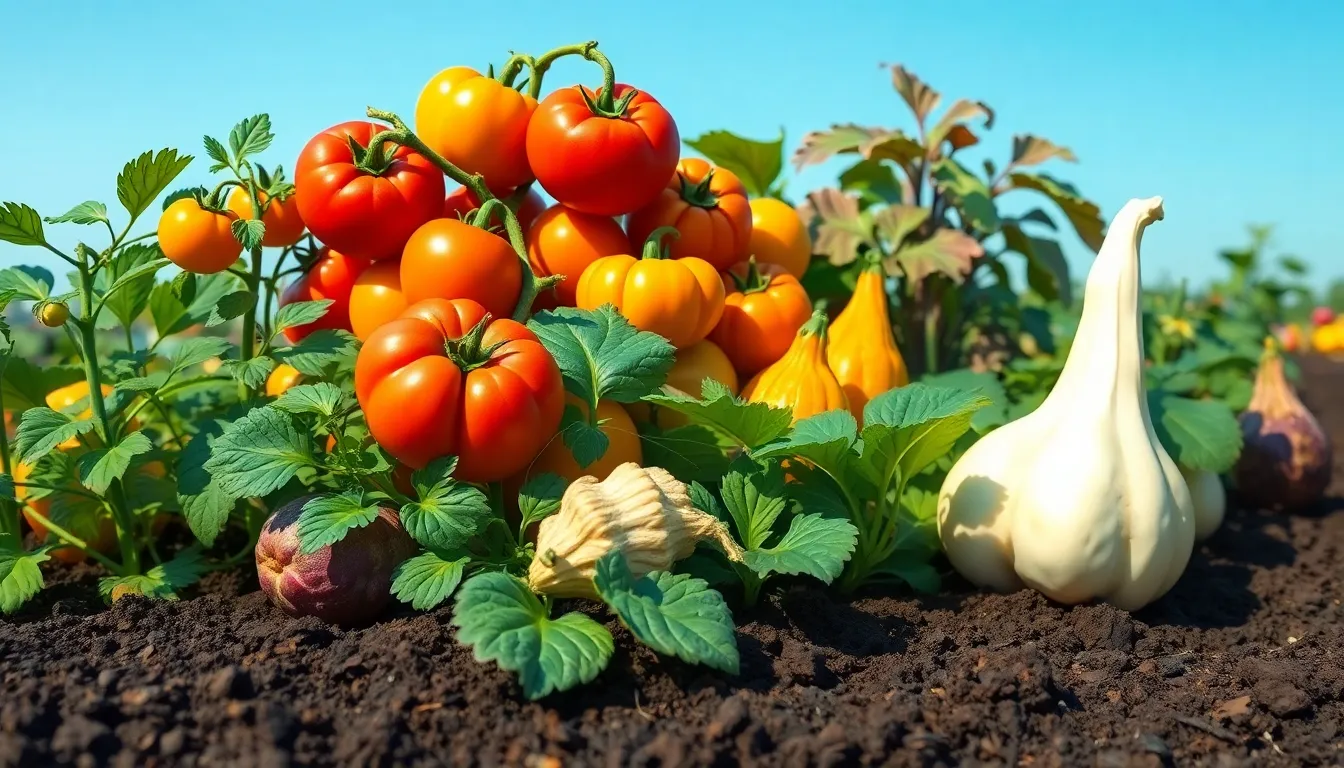
Heirloom vegetables offer numerous advantages, making them a valuable addition to any garden and plate.
Nutritional Value
Nutritionally, heirloom vegetables stand out for their rich nutrient profiles. They often contain higher levels of vitamins A and C, antioxidants, and dietary fiber compared to conventional varieties. Research indicates these vegetables can contribute significantly to a balanced diet, supporting overall health. Specific heirloom types might provide unique phytonutrients that promote well-being. Their diverse flavors encourage varied culinary applications, leading to healthier meal options. Regular consumption of heirloom produce has been linked to improved immune function and better digestion.
Environmental Impact
Environmental benefits also accompany heirloom vegetables. They promote biodiversity by preserving unique plant varieties that adapt to local conditions. Cultivating these vegetables enhances soil health and reduces dependency on chemical fertilizers. Research shows that heirloom species can resist pests naturally, minimizing the need for harmful pesticides. Supporting heirloom cultivation fosters sustainable agricultural practices and encourages local ecosystems. By choosing heirloom options, consumers contribute to a more resilient food system. Their resilience often results in fewer resources required for growing, thus allowing for more sustainable farming.
Popular Varieties of Heirloom Vegetables
Heirloom vegetables come in an array of enticing varieties. Each type adds unique flavors and nutritional benefits to the table.
Tomatoes
Heirloom tomatoes stand out for their vibrant colors and rich flavors. Varieties like Brandywine, Cherokee Purple, and Green Zebra capture attention with their distinct tastes. A Brandywine boasts a sweet flavor, making it ideal for fresh salads and sandwiches. Cherokee Purple offers a smoky taste, perfect for sauces and salsas. Gardeners often appreciate these varieties for their resilience against pests and adaptability to various climates.
Peppers
Heirloom peppers contribute both color and spice to dishes. Varieties such as Jimmy Nardello, Cubanelle, and Hinkelhatz showcase a spectrum of flavors. Jimmy Nardello peppers feature a sweet, fruity profile, great for roasting or frying. Cubanelle peppers provide a mild taste, ideal for stuffing or adding to salads. Hinkelhatz peppers pack a punch with their heat and work well in salsas or spice blends. These peppers thrive in diverse growing conditions, making them popular among home gardeners.
Beans
Heirloom beans deliver rich flavors, textures, and visual appeal. Varieties like Cherokee Trail of Tears, Jacob’s Cattle, and Adzuki beans are known for their unique characteristics. Cherokee Trail of Tears beans are celebrated for their striking dark color and rich flavor, suitable for soups and stews. Jacob’s Cattle beans offer a creamy texture, perfect for baking or using in salads. Adzuki beans, often used in Asian cuisine, provide a sweet flavor that pairs well in desserts. These beans thrive in various climates, ensuring a successful harvest for growers.
Growing Heirloom Vegetables
Growing heirloom vegetables requires attention to specific needs for optimal health and yield. Healthy soil forms the foundation for vibrant crops.
Soil Requirements
Soil rich in organic matter supports heirloom vegetables well. This type of soil promotes good drainage while retaining moisture. Amending soil with compost enhances nutrient levels and improves structure. Testing soil pH reveals necessary adjustments, maintaining a range of 6.0 to 7.0 for most heirloom varieties. Mulching helps retain soil moisture and suppresses weeds, allowing the plants to thrive. Utilizing raised beds can also optimize drainage and provide a controlled environment crucial for specific heirloom crops.
Pest and Disease Management
Effective pest and disease management is vital in growing heirloom vegetables. Monitoring plants regularly helps identify issues early. Incorporating companion planting can deter pests naturally; for example, marigolds repel nematodes when planted alongside tomatoes. Organic solutions such as neem oil or insecticidal soap may manage outbreaks effectively. Crop rotation reduces disease risks, especially for susceptible heirloom varieties. Additionally, promoting biodiversity by planting diverse heirloom crops can create a resilient ecosystem, further protecting the garden from pest and disease pressures.
Heirloom vegetables embody a rich tapestry of history and flavor that resonates with those who appreciate culinary diversity. Their unique characteristics and nutritional benefits make them a valuable addition to any garden or kitchen. By embracing these vibrant varieties, individuals not only enhance their meals but also support sustainable agricultural practices.
Growing heirloom vegetables fosters a deeper connection to the land and promotes biodiversity, ensuring that these treasured crops continue to thrive for future generations. As interest in heirloom produce resurges, it’s clear that these vegetables are more than just food; they represent a legacy worth preserving.