
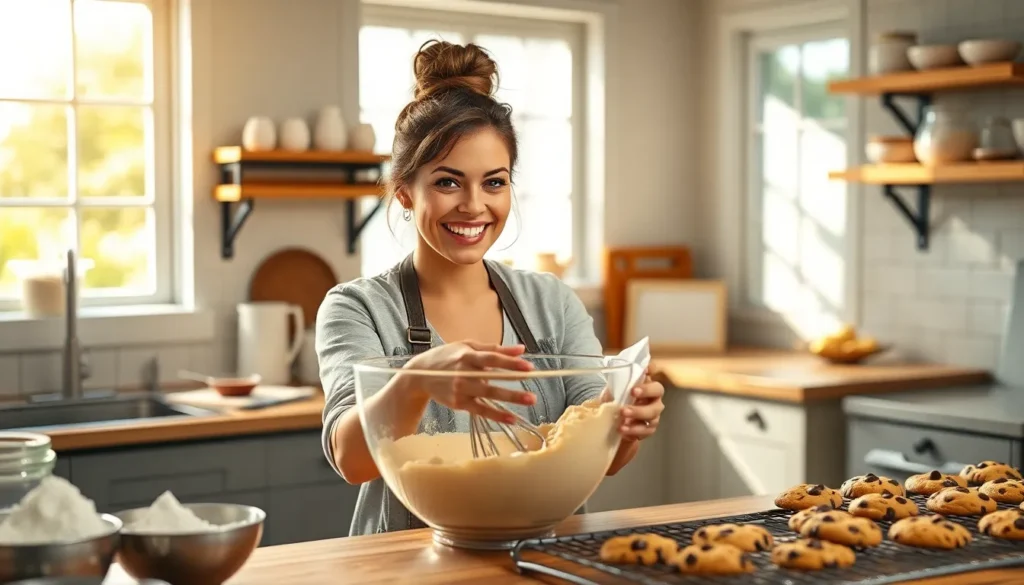
Baking isn’t just a science; it’s an art form that can turn a regular Tuesday into a sweet celebration. From the warm aroma of freshly baked bread to the decadent allure of a chocolate cake, baking classics have a magical way of bringing people together. Who can resist the charm of a homemade pie cooling on the windowsill or the perfect batch of cookies that seem to disappear in seconds?
Overview of Baking Classics
Baking classics include foundational recipes that define the art of baking. These recipes serve as essentials for both novice and experienced bakers. Examples include chocolate chip cookies, banana bread, and the ever-popular apple pie.
A key feature of baking classics is their versatility. Each recipe adapts to various occasions and flavors, making them a staple for gatherings or intimate family meals. Recipes often come with variations that allow for creative expression without sacrificing tradition.
Ingredients play a significant role in successful baking. Quality flour, fresh eggs, and pure vanilla elevate flavors and textures, ensuring delightful outcomes. Precision in measuring ingredients directly impacts the final product, emphasizing baking’s scientific side.
Techniques also mark the characteristics of baking classics. Methods like folding, creaming, and tempering contribute to the perfect cake or cookie. Mastering these techniques ensures consistent results and enhances confidence in bakers.
The enjoyment of baking extends beyond the act itself. Memories of baking together create lasting bonds among family and friends. Sampling warm pastries straight from the oven fosters a sense of community and shared experiences.
Baking classics represent not just recipes but traditions passed through generations. They connect bakers to their heritage while allowing for fresh interpretations in modern kitchens. Every bite of a classic dessert tells a story, celebrating the timeless nature of baking.
Understanding baking classics equips individuals with the skills to explore and innovate within the culinary world. Aspiring bakers find inspiration in mastering these foundational recipes, igniting their baking journey.
Essential Baking Techniques

Baking techniques form the foundation of successful recipes. Mastering these methods ensures consistent results every time.
Mixing Methods
Creaming combines butter and sugar to create a light, airy texture. This method works best for cookies and cakes, producing fluffy batters. Folding incorporates ingredients gently, maintaining air bubbles for lightness. It’s essential for delicate mixtures like soufflés. Whisking evenly blends dry and wet ingredients, promoting a smooth batter. Mixing by hand provides better control over texture, while using a stand mixer saves time. Each method serves a specific purpose, making it important to select the right one for the desired outcome.
Baking Temperatures
Temperature control plays a critical role in baking success. Using the right temperature influences how ingredients react during the process. Most recipes require preheating the oven to ensure even cooking. For instance, baking bread at 375°F helps create a crust, while pastries often benefit from higher temperatures for puffiness. Oven thermometers verify accuracy, preventing undercooked or burnt baked goods. Adjusting temperature based on specific ingredients, such as chocolate or fruits, affects moisture and flavor. Maintaining temperature stability during baking further ensures consistent results across the baking process.
Classic Recipes to Try
Baking classics offer timeless recipes that resonate with bakers of all skill levels. These comforting staples include both breads and desserts, ensuring versatility in the kitchen.
Breads
Breads serve as a fundamental aspect of baking, showcasing simple ingredients transformed into delightful creations. Sourdough stands out, characterized by its tangy flavor and chewy crust. Whole wheat bread provides a nutty alternative, enriching breakfast and sandwich options. Focaccia, with its easily customizable toppings, invites creativity while yielding a soft, airy texture. Challah, a traditional braided bread, elevates any meal, often featured during special occasions. Each of these breads highlights the importance of quality flour and accurate yeast activation, contributing to distinct results.
Desserts
Desserts capture the sweet essence of baking, making moments memorable. Chocolate chip cookies reign supreme, with their gooey centers and golden edges enticing any chocolate lover. Banana bread presents a delicious way to use overripe fruit, yielding a moist treat perfect for any time of day. Classic apple pie, with its flaky crust and warm cinnamon-spiced filling, inspires nostalgia for family gatherings. Brownies provide a rich, fudgy indulgence, easily adapted with nuts or caramel for extra flair. Each dessert exemplifies the importance of precise measurements, showcasing how small variations can significantly impact flavors and textures.
Common Ingredients in Baking Classics
Baking classics rely on a few key ingredients that ensure successful outcomes. Quality matters when it comes to these essential components.
Flour Types
All-purpose flour serves as the foundation for many recipes, featuring moderate protein content suitable for a wide range of baked goods. Bread flour, with its higher protein, enhances gluten development, making it ideal for yeast breads. Cake flour, lighter and finer, creates tender textures in cakes and pastries. Whole wheat flour adds a nuttiness and increased fiber, resulting in heartier breads. Specialty flours, like almond or coconut flour, cater to gluten-free baking and niche preferences.
Sweeteners
Granulated sugar frequently sweetens recipes, contributing to both flavor and texture. Brown sugar, with its molasses content, infuses moisture and complexity into baked goods. Honey and maple syrup offer natural sweetness alternatives, bringing unique flavors to classic recipes. Powdered sugar provides a smooth finish in frostings and toppings. Agave nectar appears as a low-glycemic option, appealing to health-conscious bakers.
Tips for Perfecting Your Baking
Utilizing precise measurements is essential for successful baking. Accurate ingredient amounts lead to balanced flavors and textures. Experimenting with ingredient brands can also enhance the final product’s quality.
Understanding oven temperatures significantly influences baking outcomes. Always preheat the oven to the recommended temperature before placing items inside. Adjusting temperatures based on the recipe ensures even cooking throughout the dish.
Sifting dry ingredients improves texture and aeration. This technique can lead to lighter baked goods that rise beautifully. Incorporating room temperature ingredients, like butter and eggs, also aids in achieving a consistent mix.
Raising the quality of ingredients pays off in flavor and outcome. Using fresh baking powder, high-quality chocolate, and organic eggs enhances overall taste. Opting for unsalted butter allows for better control over salt content.
Folding ingredients gently preserves airiness in mixtures. This method is particularly important when incorporating whipped cream or beaten egg whites. Mixing techniques can dramatically affect the finished product, so knowing when to whisk, stir, or fold is vital.
Allowing baked goods to cool completely on a wire rack avoids sogginess. Cooling creates the right texture, especially for cakes and cookies. Patience during the cooling process ensures better sliceability and presentation.
Lastly, keeping a baking journal can be invaluable for tracking successes and failures. Documenting ingredient brands, techniques, and results helps refine skills over time. Learning from past attempts promotes continuous improvement in the baking journey.
Baking classics serve as the backbone of culinary traditions and personal creativity. They invite bakers to explore the joy of creating something delicious while connecting with loved ones. Mastering these foundational recipes not only enhances skills but also fosters a sense of accomplishment.
As bakers experiment with flavors and techniques, they contribute to the ever-evolving landscape of baking. Whether it’s the comforting aroma of freshly baked bread or the indulgent sweetness of a chocolate chip cookie, these classics continue to inspire. Embracing the art and science of baking opens up a world of possibilities, making every moment in the kitchen a celebration of creativity and connection.