
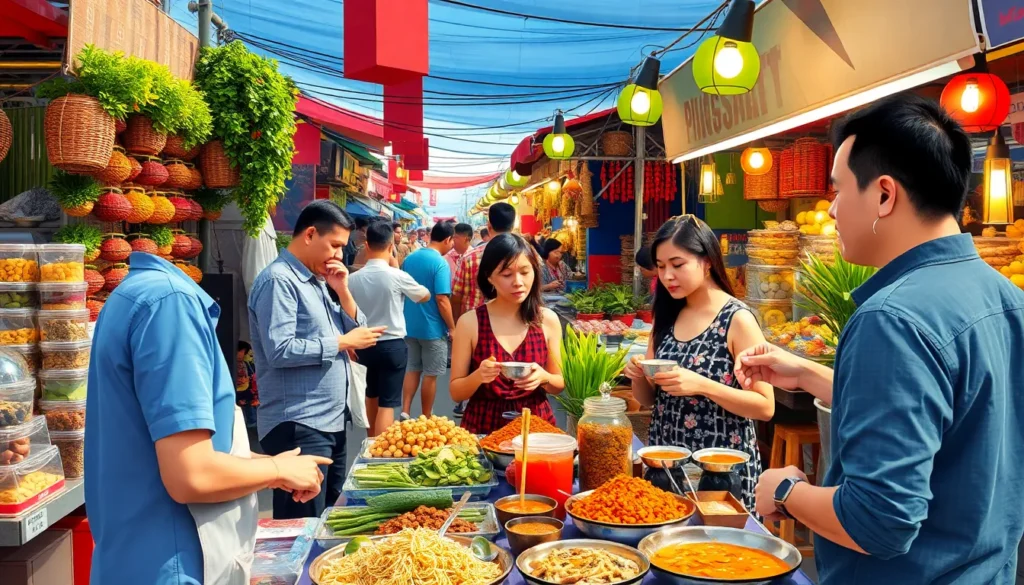
Traveling the world through food is one of life’s greatest pleasures, and exotic dishes are the passport to adventure. From the fiery spices of India to the sweet and savory delights of Southeast Asia, these culinary treasures invite taste buds on a thrilling journey. Who needs a plane ticket when a fork can transport you to far-off lands?
Overview of Exotic Dishes
Exotic dishes represent a journey through various world cuisines. These unique meals offer a vibrant fusion of flavors, spices, and cooking techniques. Each dish tells its own story about the culture that created it. For instance, the spicy curries from India showcase diverse regional ingredients and traditions.
Southeast Asia boasts sweet and savory combinations, with dishes like pad thai and laksa capturing the attention of food lovers. Dishes such as Moroccan tagine highlight the influence of trade routes, featuring spices like saffron and cumin that travelers brought from afar. Ingredients in these meals often include local produce, grains, and proteins, highlighting the connection between communities and their food.
Additionally, dishes like Ethiopian injera and Caribbean jerk chicken provide a unique dining experience through communal sharing and vibrant flavors. Traditional cooking methods, such as grilling or steaming, emphasize the importance of preparation in these cultures.
Exploring exotic dishes opens the door to an array of sensory experiences. The visual appeal of colorful ingredients elevates the dining experience, while distinct aromas intrigue and invite taste testers. Palates expand with each new bite, making the world of exotic cuisine a delightful adventure worth pursuing.
Food enthusiasts continue to seek out these exceptional dishes, encouraging chefs to innovate and share regional specialties. As a result, culinary tourism grows, with travelers now prioritizing food experiences that connect them to different cultures. Exotic dishes convey much more than sustenance; they embody traditions, heritage, and the essence of exploration.
Popular Exotic Dishes Around the World
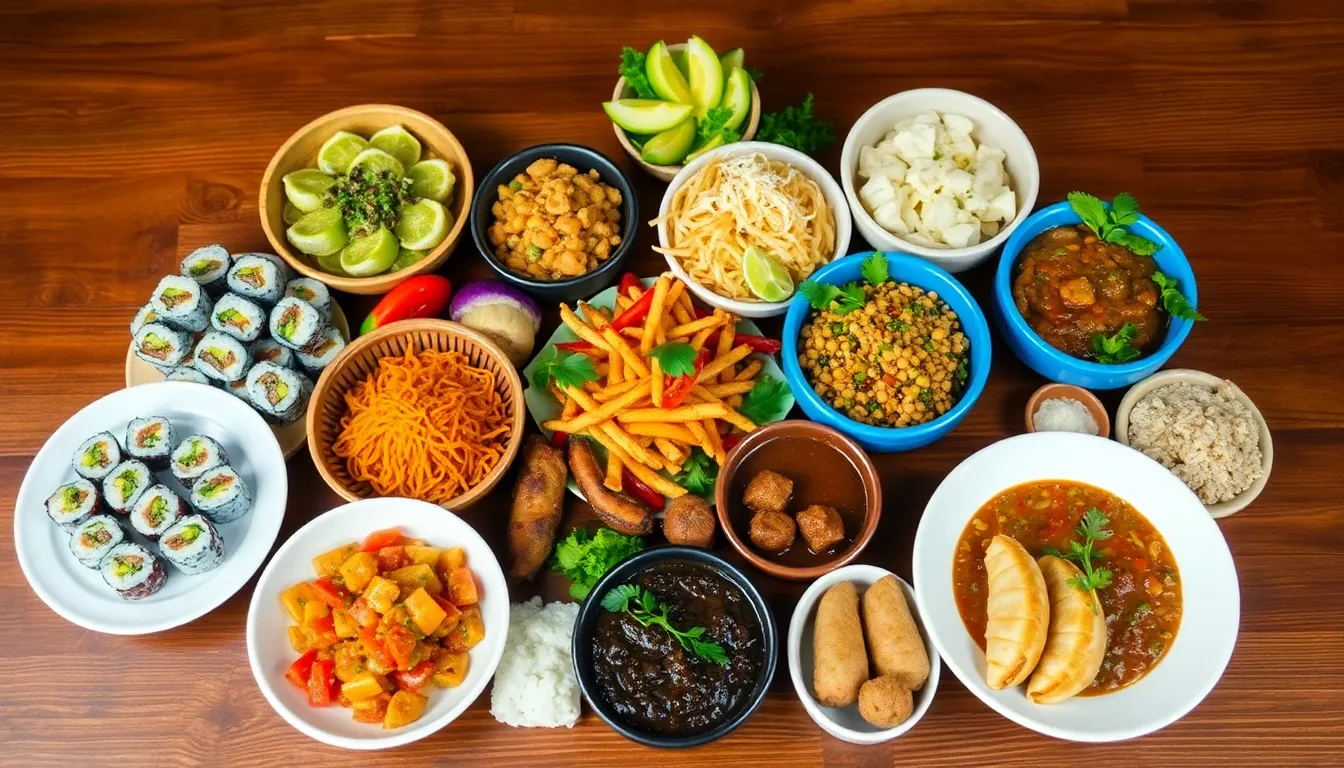
Exotic dishes offer a vibrant taste of global cultures. They encapsulate unique flavors, ingredients, and cooking traditions, each telling a story of its origin.
Asian Delicacies
Japanese sushi showcases meticulous preparation and fresh ingredients. Thai green curry combines fragrant herbs and coconut milk for a rich, spicy taste. Vietnamese pho features savory broth and rice noodles, often garnished with herbs and lime. Korean kimchi symbolizes preservation techniques while providing a spicy kick. Each dish reflects distinct regional preferences, contributing to a culinary mosaic.
African Flavors
Moroccan tagine represents a beautiful blend of spices and slow-cooked meats. South African bobotie features spiced ground meat, topped with a custard-like layer, offering sweetness and warmth. Jollof rice from Nigeria showcases rich tomatoes and spices, often served at communal gatherings. Ethiopian injera serves as both a plate and utensil, accompanied by a variety of flavorful stews. These dishes highlight the continent’s diverse ingredients and cooking methods.
Latin American Treats
Peruvian ceviche emphasizes freshness, featuring raw fish marinated in citrus juices. Mexican mole sauce, with its complex blend of spices and chocolate, adds depth to various meats. Brazilian feijoada comprises a hearty black bean stew enriched with pork and spices. Argentinian empanadas, stuffed with an array of fillings, offer delicious portability. Each treat reflects the regional ingredients and cultural heritage of Latin American countries.
Ingredients Used in Exotic Dishes
Exotic dishes feature a variety of unique ingredients that play a crucial role in defining their flavor profiles and cultural significance.
Unique Spices and Herbs
Spices and herbs create the backbone of many exotic dishes. Vibrant turmeric, commonly used in Indian cuisine, adds both color and depth. Sumac, prevalent in Middle Eastern cooking, offers a tangy twist that enhances many dishes. Saffron, the world’s most expensive spice, infuses dishes like paella with a rich aroma and distinct flavor. Cilantro serves as a fresh garnish in various Latin American meals, while lemongrass brings a zesty note to Southeast Asian recipes. Cumin and coriander, often paired in Indian and Moroccan fare, provide an earthy foundation that complements other flavors. Each of these ingredients tells a story of cultural heritage, transforming simple meals into extraordinary culinary adventures.
Uncommon Proteins
Exotic dishes often showcase uncommon proteins that surprise and delight the palate. Insects, consumed in many cultures, serve as a sustainable source of protein and are found in dishes like chapulines, toasted grasshoppers popular in Mexico. Game meat, including kangaroo and bison, delivers unique flavors distinct from conventional meats. Seafood options like octopus and eel appear frequently in Asian cuisines, enticing diners with new textures and tastes. Offal, such as organ meats, features prominently in traditional dishes across numerous cultures, offering nutrient-dense options. Quail eggs, often used in Asian recipes, add a delicate richness to dishes. These proteins broaden culinary horizons and invite exploration of global eating traditions.
Cultural Significance of Exotic Dishes
Exotic dishes carry deep cultural significance, reflecting the history, traditions, and identity of their regions. Each plate tells a story, connecting eaters to the heritage of its ingredients. Culinary practices such as Indian curry preparation showcase the diversity of spices and techniques passed down through generations, symbolizing regional pride.
Communal dining experiences, often integral to many cultures, foster connection and celebration. Ethiopian injera, for instance, serves as both a dish and a dining tool, encapsulating togetherness through shared meals. Traditional methods of preparing Caribbean jerk chicken highlight the importance of cooking as a cultural anchor, often featuring local herbs and spices that flavor these beloved recipes.
Influences from trade routes shape many exotic dishes. Moroccan tagine, with its spices introduced through ancient trade, represents the blending of cultures over centuries. Each ingredient carries historical weight, enriching the dining experience with layers of cultural context.
Unique ingredients play a pivotal role in defining exotic dishes and their meanings. Spices like saffron and sumac not only enhance flavors but also convey cultural importance in many cuisines. Uncommon proteins, such as insects and game meats, reveal culinary practices unique to specific cultures, encouraging diners to embrace new textures and tastes.
As culinary tourism rises, the allure of exotic dishes grows. Food enthusiasts increasingly seek to engage with diverse cultures through their culinary experiences. Engaging with these exceptional meals enables travelers to connect with traditions, showcasing the essence of exploration in every bite.
Exploring exotic dishes opens a world of culinary adventure that transcends borders. Each dish serves as a window into its culture’s history and traditions, inviting food lovers to experience flavors that tell unique stories. From the spices of Indian curries to the communal joy of Ethiopian meals, these culinary treasures foster connection and celebration.
As culinary tourism continues to flourish, the quest for these exceptional dishes not only satisfies the palate but also enriches the spirit. Embracing the diversity of global cuisines encourages a deeper understanding of the world, proving that every meal can be a journey of discovery.